
Working group on Paediatric Thrombosis & Haemostasis (THWG)
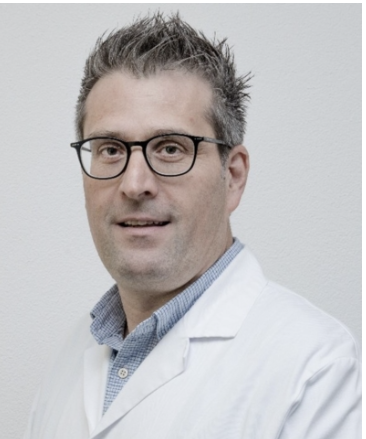
Mattia Rizzi
Chair
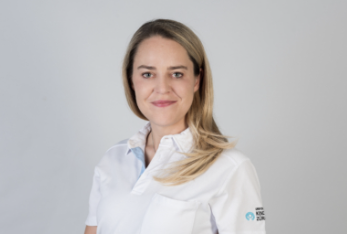
Alessandra Bosch
Vice Chair
Background
Thrombosis and haemostasis disorders in children are increasingly recognized as significant contributors to morbidity and mortality in paediatric care. However, diagnostic and therapeutic approaches in this field often rely on extrapolation from adult data, as paediatric-specific evidence although increasing, remains limited. There is a critical need for collaborative efforts to generate age
appropriate data, develop standardized diagnostic protocols, and optimize management strategies tailored to children.
Aims
The Working Group (WG) aims to:
Promote and facilitate research in paediatric thrombosis and haemostasis, including both inherited and acquired conditions.
Establish a collaborative network among clinicians, scientists, and allied health professionals with an interest in paediatric coagulation disorders.
Develop consensus guidelines/guidance and best practice recommendations for diagnosis, prevention, and management.
Encourage education and training in paediatric thrombosis and haemostasis for healthcare professionals.
Support data collection, registries, and multicentre studies to improve understanding of epidemiology and outcomes.
Foster collaboration with related WGs and international societies to harmonize approaches and share expertise
Act as a bridge between SHN, SSH and SSPHO for collaborations, and to avoid redundancy.
Collaborate with GTH, ISTH, IPTN
Expected Outcomes
Improved clinical standards and evidence-based care for paediatric patients with thrombotic or bleeding disorders.
Increased awareness of paediatric-specific differences in haemostatic systems. • Enhanced capacity for multicentre research and clinical trials.
Development of educational resources for clinicians and families.
Long-term Vision
To establish an integrated, evidence-based approach to paediatric thrombosis and haemostasis across Europe and globally, ultimately improving patient outcomes and advancing scientific understanding in this specialized field.
SSPHO Synopsis for a new Working Group: Paediatric Thrombosis & Haemostasis
Membership
A short and informal Letter of intent outlining:
The applicant’s relevant expertise and motivation for joining.
Specific contributions they aim to make to the WG’s ongoing and future efforts. • At least one (or more) ideas for future projects that they would be interested in leading. These should be aligned with our established research priorities.
Responsibilities
3.1 Responsibilities of the chair/vice chair: see also WG regulations
3.2 Responsibilities of the Members: active participation at meetings, in projects 3.3 Responsibilities of Co-authors on scientific papers: According to the ICMJE author guidelines (ICMJE definition of authorship)
Meetings and timelines
One meeting every 3 months – online or in-person / hybrid as feasible for participants. • New projects (if available) will be presented
Progress reports on projects will be presented
Case discussions
Meetings can be called by members to discuss challenging cases within the WG/expert board.
